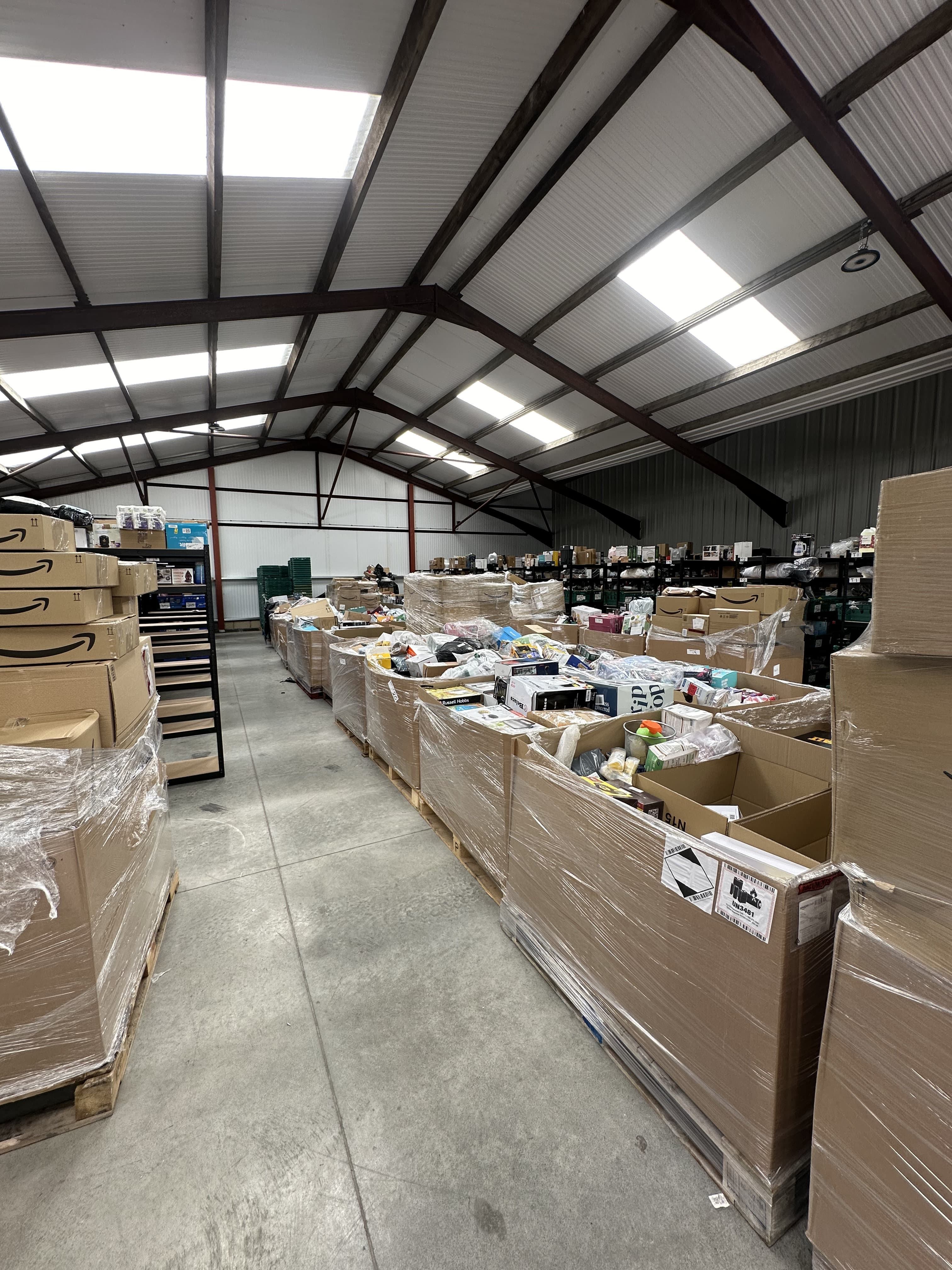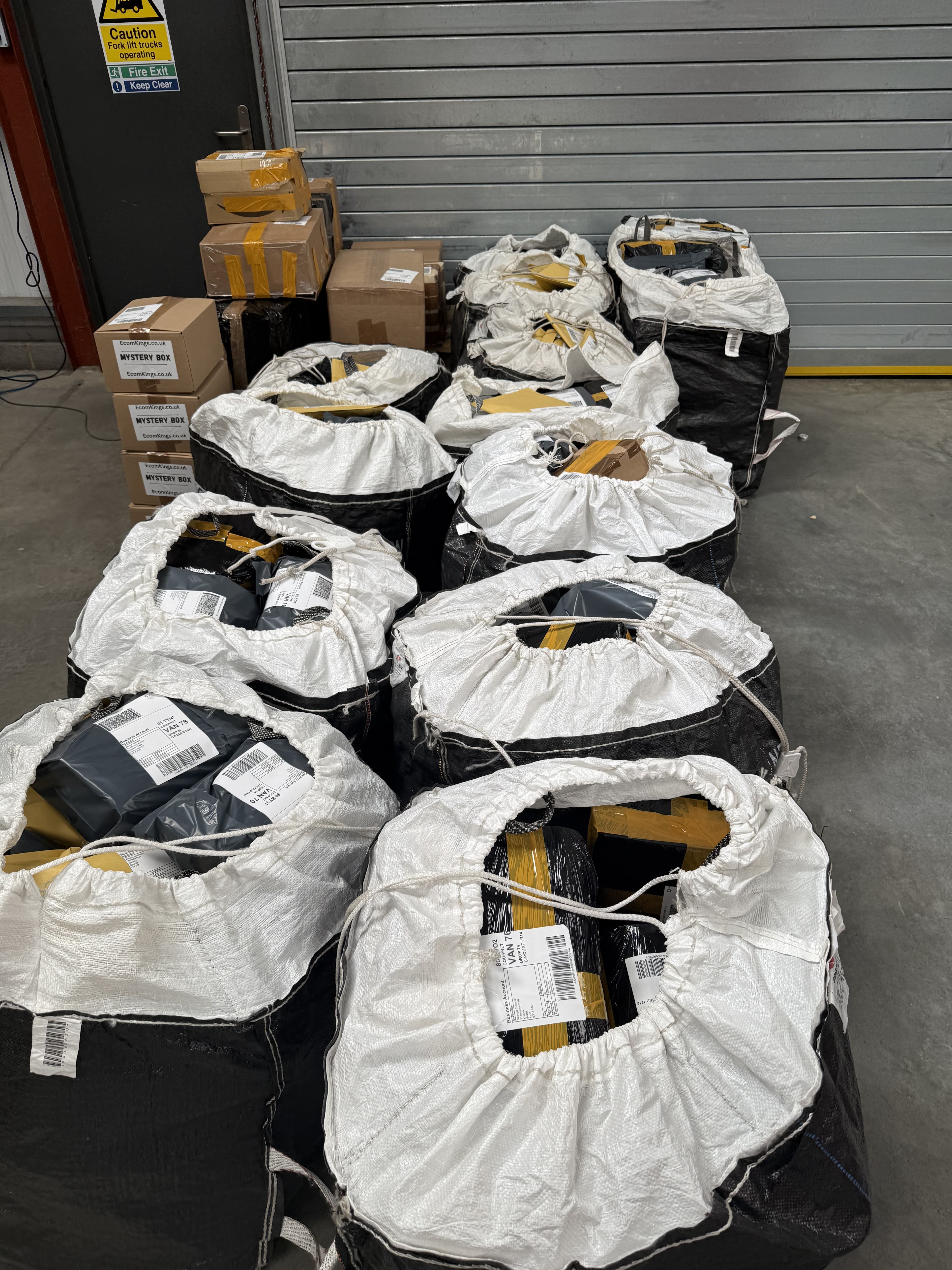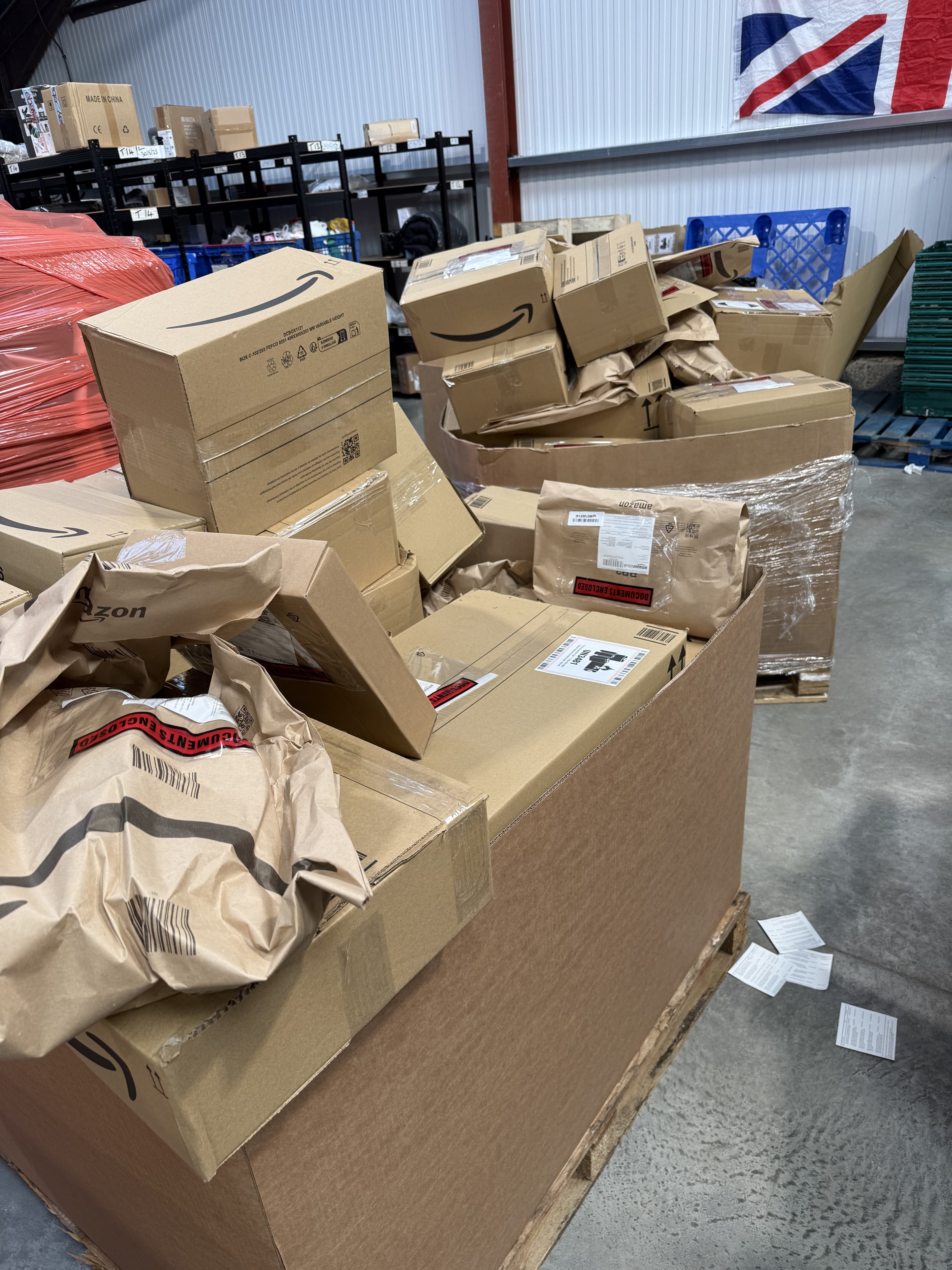
This is the guide I wish I had when I started. Buying Amazon return pallets can be incredibly profitable, but it can also burn you if you don't know what you're doing.
What Are Amazon Return Pallets?
When customers return items to Amazon, those items get sorted, graded and palletised. Liquidation companies buy these pallets in bulk and resell them to people like us at a fraction of the retail value. You might pay £200-500 for a pallet that contains £1,000-3,000 worth of retail-value stock.
The catch? You don't always know exactly what's inside and not everything will be in perfect condition.
Where to Buy
There are several reputable UK suppliers. I won't name specific companies here (come follow me on socials for those recommendations), but look for: - Companies with physical premises you can visit - Clear grading systems (Grade A = like new, Grade B = minor defects, etc.) - Transparent return policies - Real customer reviews
What to Expect
From my experience opening hundreds of pallets: - About 60-70% of items are sellable in good condition - 15-20% need minor cleaning, repackaging or repair - 10-20% are truly unsellable (damaged, missing parts)
How to Turn a Profit
- Research before you buy. Understand what categories tend to be most profitable.
- Grade everything honestly. Your reputation as a seller depends on accurate listings.
- Photograph well. Good photos = faster sales.
- Price competitively. Check what similar items are selling for on eBay.
- Start with mixed pallets, then specialise as you learn what sells best.
My first pallet cost me about £250. I sold the contents for around £600. Not a massive margin, but it proved the concept and I reinvested everything into the next order.
Today, we process dozens of pallets every week in our 6,000 sq ft warehouse. The fundamentals haven't changed. It's just the scale that's different.