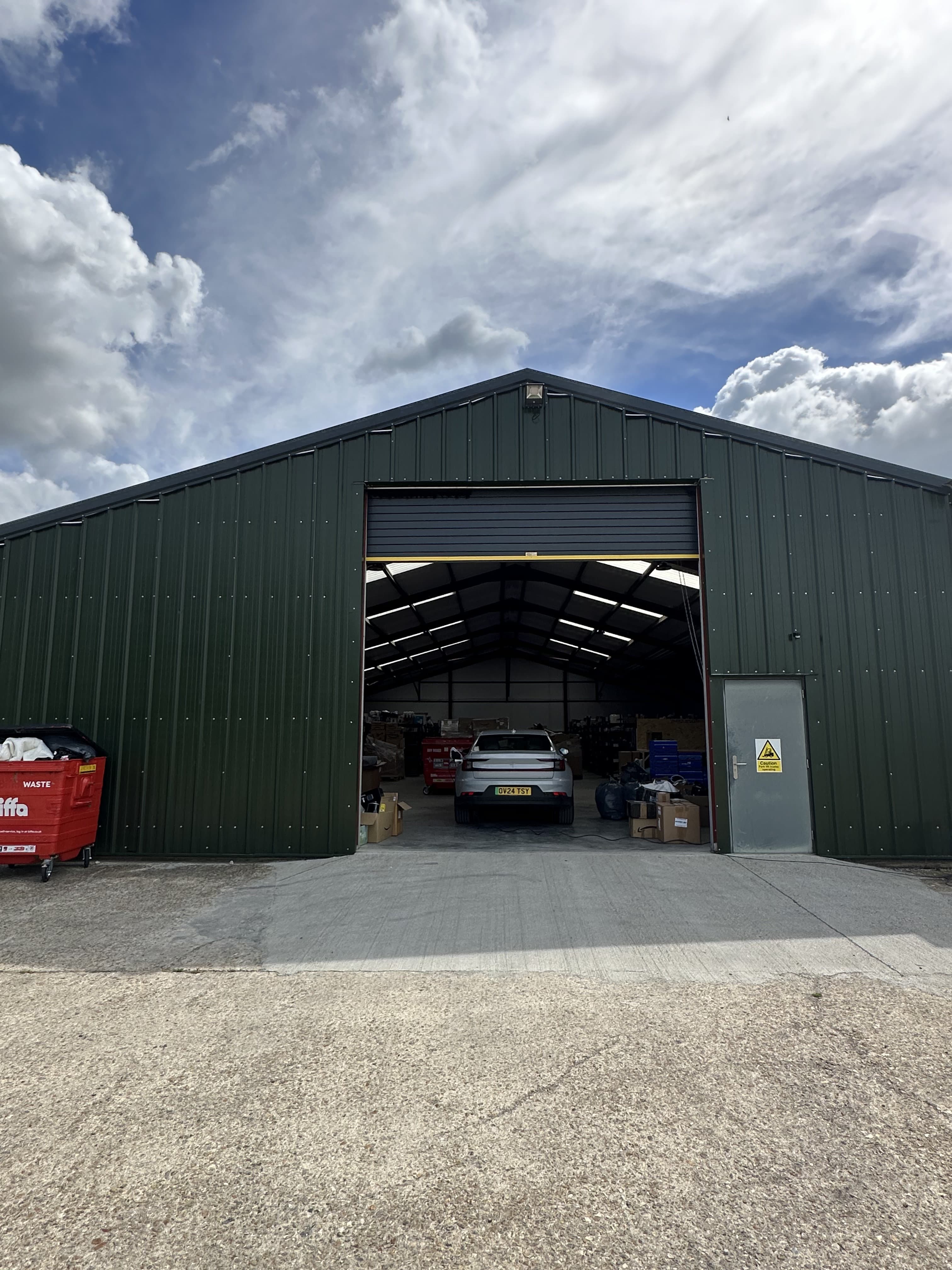
Running a 6,000 sq ft warehouse wasn't the plan. It just kind of happened when the garage and the small unit couldn't keep up. If you're thinking about scaling from a spare room to a proper space, here's everything I've learned about setting up a warehouse for e-commerce.
Don't Rush Into a Warehouse
I need to say this first. Don't get a warehouse just because it looks cool on camera. I scaled from my garage to a 1,000 sq ft unit to our current 6,000 sq ft facility. Each step happened because I genuinely needed the space, not because I wanted a bigger backdrop for TikTok.
The costs are real. Rent, business rates, insurance, utilities and maintenance. If you're not processing enough volume to justify those costs, you'll burn through cash fast.
Essential Equipment
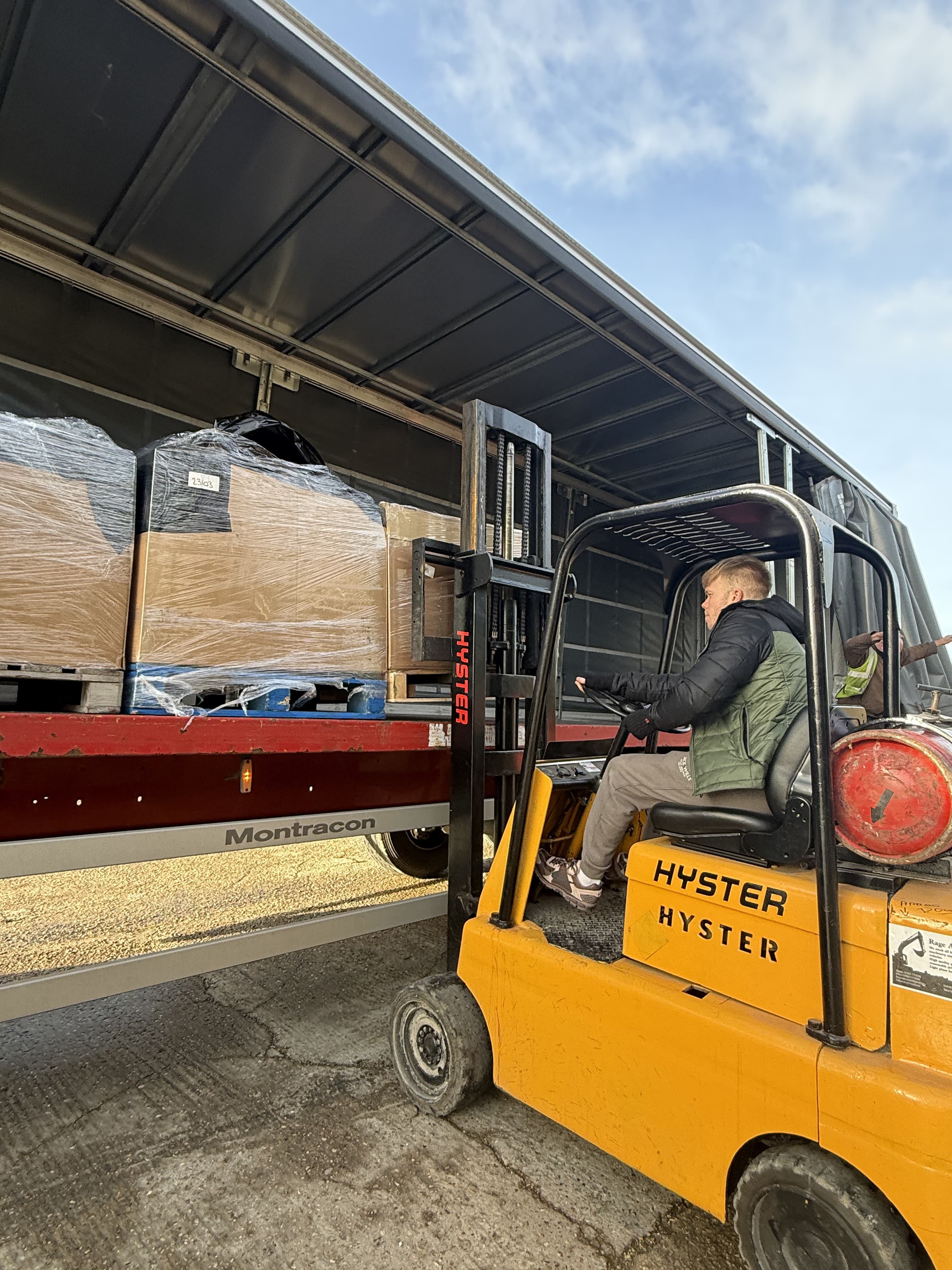
Here's what we use every day: - Forklift. We run a Hyster forklift. Essential for unloading pallets from delivery trucks. You can lease one or buy second-hand. - Industrial shelving. Heavy-duty racking along both walls. We organise by category and size. Good shelving makes picking orders fast. - Packing station. A dedicated table with boxes in every size, bubble wrap, tape, labels and a thermal label printer. - Scales. Accurate postage pricing depends on accurate weights. We weigh everything. - Grading area. A clear table with good lighting where we assess, clean and photograph every item. - Camera setup. A ring light, phone mount and a clear background area for product photos and content filming.
How We Organise Stock
Every item that comes through the door gets: 1. Graded (A through D based on condition) 2. Photographed 3. Listed on the appropriate platform 4. Given a shelf location code 5. Stored in its designated spot
When an order comes in, we find the item by its location code, pick it, pack it and dispatch it. It sounds simple but without a system you'll waste hours looking for items.
Lessons Learned the Hard Way
Don't underestimate how much space packaging takes up. Boxes, bubble wrap and filler material eat space. We dedicated an entire corner of the warehouse just for packaging supplies.
Get insurance from day one. We carry stock worth thousands at any given time. A fire or flood without insurance would be devastating.
Invest in lighting. A well-lit warehouse is safer, more productive and better for content creation. We installed LED panels across the ceiling and it transformed the space.
Keep your warehouse clean. It sounds obvious but when you're opening pallets all day, debris builds up fast. A clean warehouse is an efficient warehouse.
The Real Cost
I won't share exact figures for our specific warehouse, but expect to pay anywhere from £500 to £2,000 per month for a small to medium unit in the south of England. Add business rates, insurance, electricity, internet and equipment costs on top. You need to be turning over several thousand pounds a month minimum before a warehouse makes financial sense.