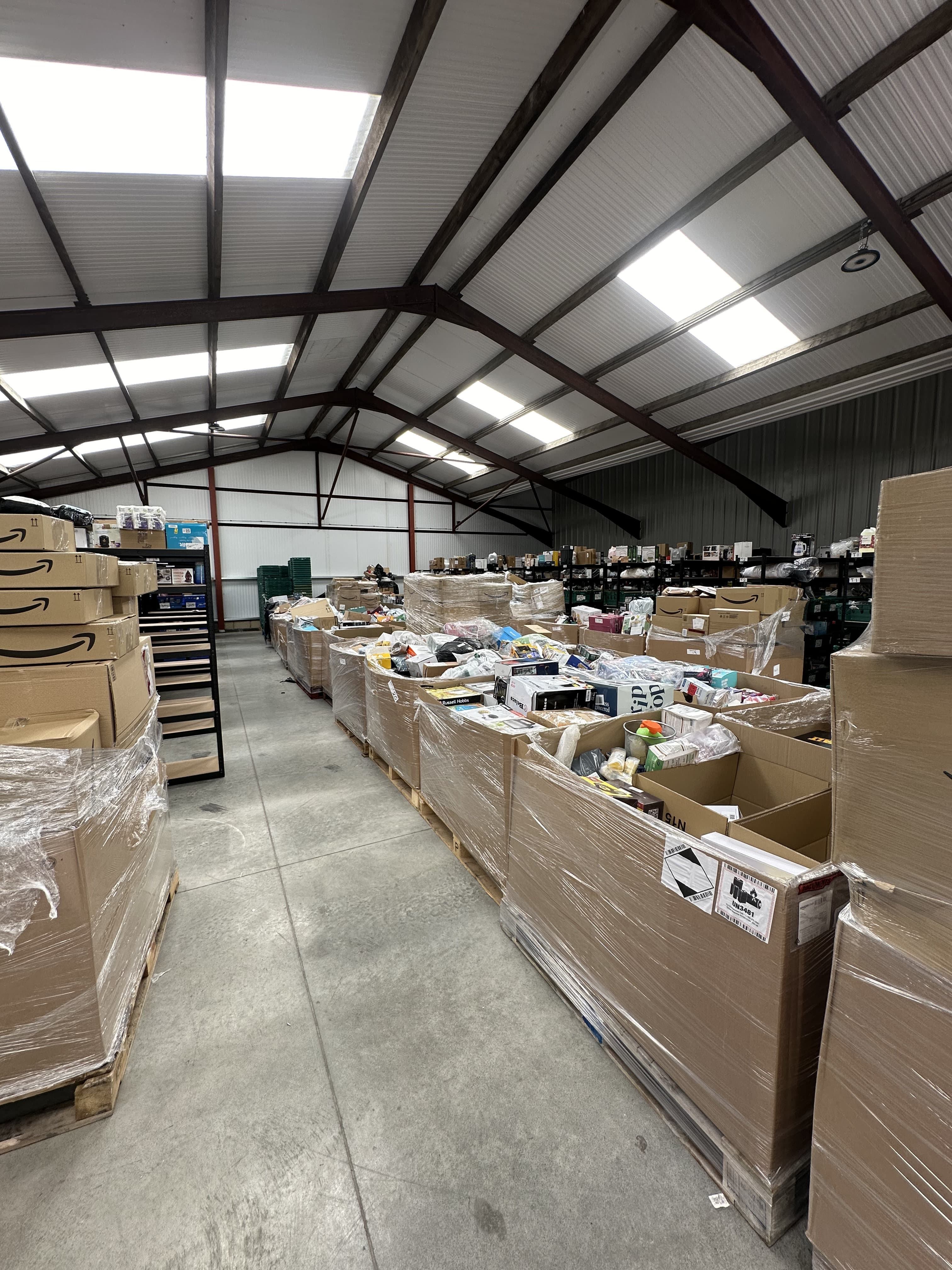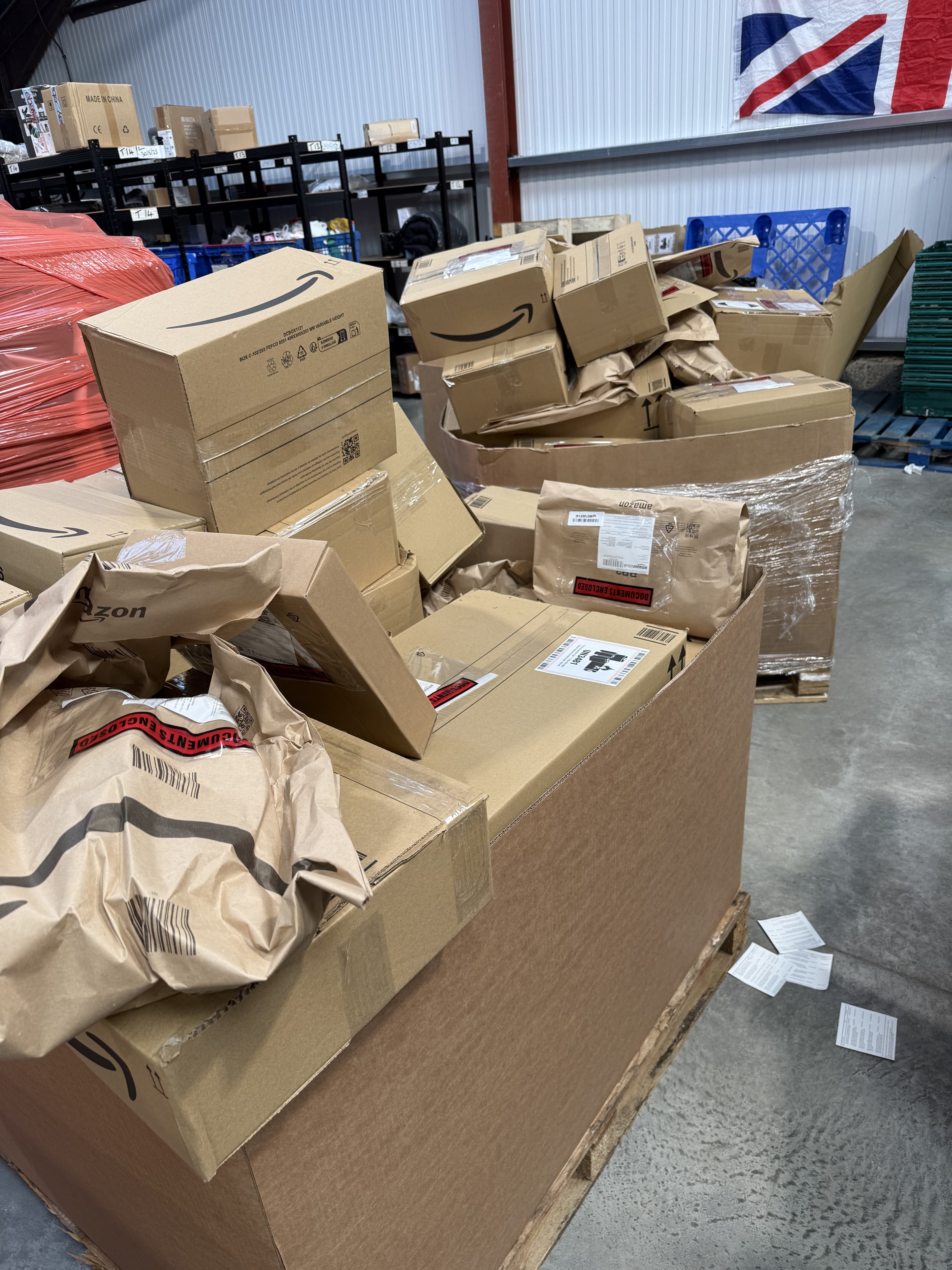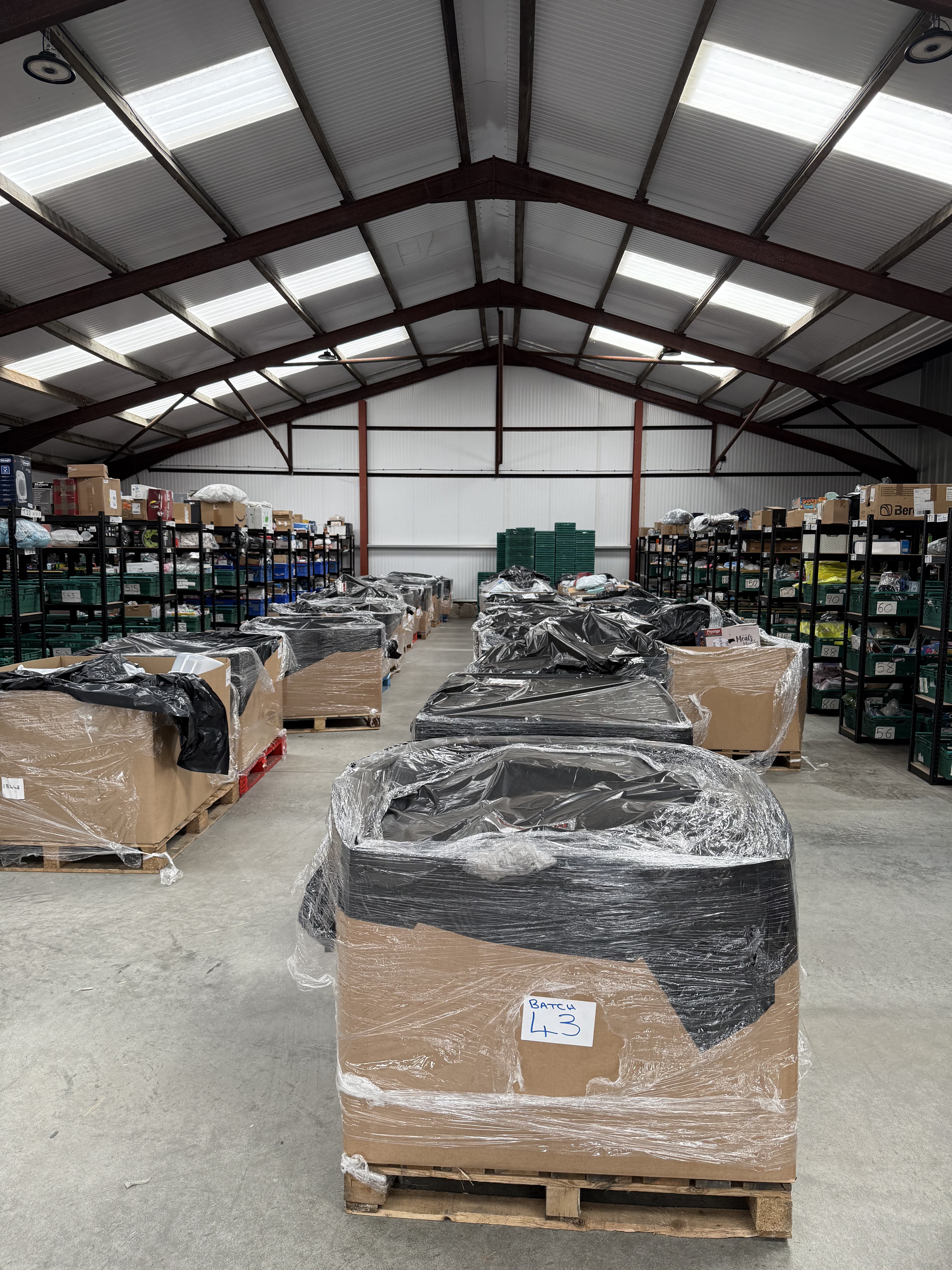
Liquidation stock is the backbone of our entire business. If you've ever wondered what happens to products when a shop closes down, a company overstocks or a warehouse needs clearing, the answer is: it becomes liquidation stock. And people like me buy it.
What Is Liquidation Stock?
Liquidation stock is merchandise that's being sold off at a fraction of its original retail value. It comes from several sources: - Retail store closures (when a shop shuts down, all stock gets liquidated) - Overstock (companies that ordered too much inventory) - Customer returns (items returned by customers that can't go back on the shelf) - End of line (products being discontinued or replaced by newer versions) - Insurance claims (damaged stock from warehouse fires, floods, etc.)
The common thread is that someone needs to get rid of stock quickly and they're willing to sell it cheaply to do so.
How Much Does It Cost?
Prices vary enormously. A single pallet of mixed Amazon returns might cost £200-500. A full lorry load of end-of-line retail stock could cost thousands. The price depends on the source, the condition, the category and the quantity.
As a general rule, you'll pay somewhere between 5% and 30% of the retail value. The lower the price, the higher the risk that items might be damaged or unsellable.
Where to Buy in the UK
There are several routes: - Liquidation auction websites (online bidding on pallets and lots) - Direct liquidation suppliers (companies with warehouses you can visit) - Wholesale clearance companies - Direct from businesses (some companies sell their excess stock directly)
I won't name specific suppliers here because they change and some are better than others. Follow me on socials for my latest recommendations. What I will say is always visit a supplier in person before placing a big order. If they have a physical location you can walk around, that's a good sign.
What to Watch Out For
Not all liquidation stock is gold. Here's what to be careful about: - Manifested vs unmanifested. Manifested pallets come with a list of contents. Unmanifested ones are a mystery. Both can be profitable but unmanifested carries more risk. - Grading. Grade A means like new. Grade B means minor defects. Grade C means visible damage. Some sellers are generous with their grading, which means you might get lower quality than expected. - Hidden costs. Factor in collection or delivery charges, fuel costs if you're driving to pick up and any equipment you need for processing.
My Advice for Beginners
Start with a small mixed pallet. Something in the £200-300 range. Open it, sort it, list the sellable items and track your results carefully. Keep a spreadsheet of what you paid, what you sold each item for and what your total profit was after fees and postage.
That first pallet will teach you more than any YouTube video or blog post ever could. Including this one.